
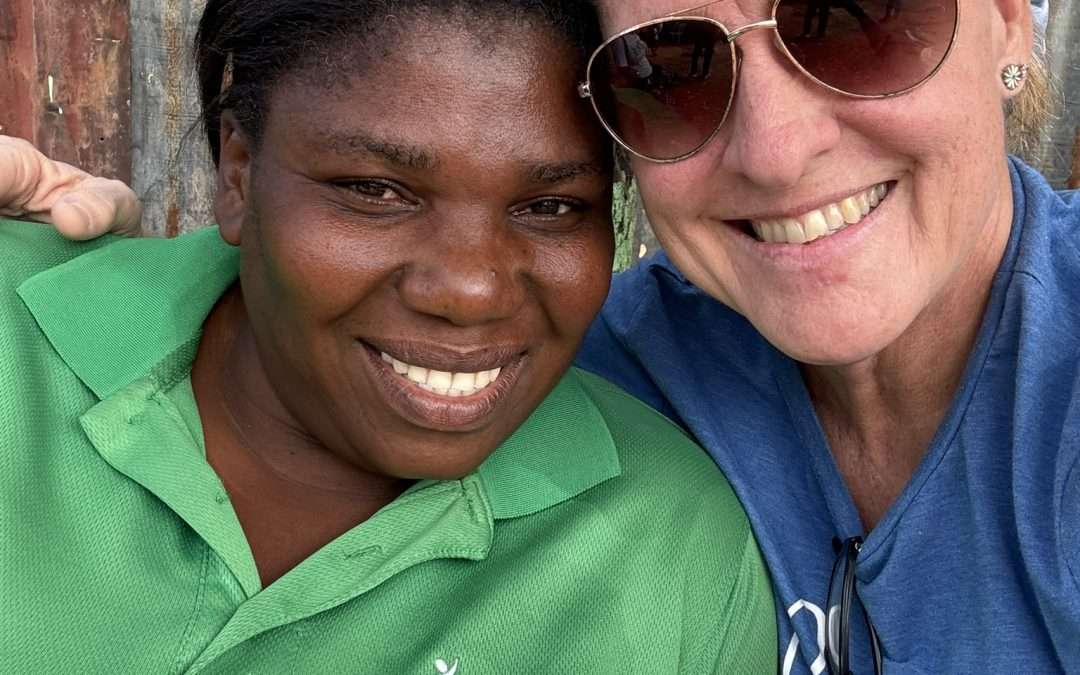
I’ve had to learn how to overcome frustration many times since I’ve been in the Dominican Republic. Some days, I feel like I’m crushing it when learning and speaking Spanish. Other days, I feel like I don’t know anything. I feel like I’m failing to fulfill the purpose God has for me: to glorify Him in all I say, do, and am.
Frustration comes easily when I don’t feel I can communicate. I sometimes want to cry, and I’m not a crier. I forget that God has me taking small steps into my purpose.
My friends here are so encouraging and uplifting, but when I speak, and someone looks completely confused, I feel disappointed that I’m not speaking well.
But the funny thing is that I get upset because of their facial expression, even though they say they understand what I’m saying.
Classic example. I was sitting at a table in the schoolyard working with my Spanish teacher when one of her fourth-grade students slipped away from the substitute teacher to tattle on a fellow student.
I told him, in Spanish, that if he returned to class and did his work, I’d have a surprise for him. He looked at me like I had three heads, completely confused. 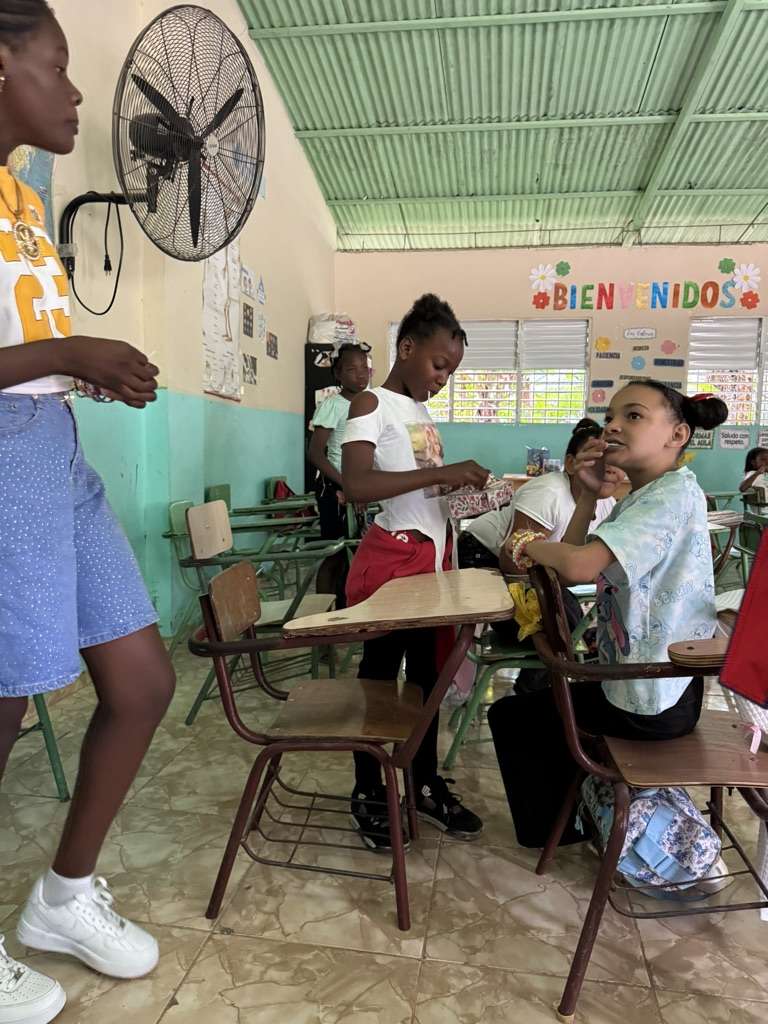
I asked, “Do you understand what I said?”
He responded, “Yes,” while still looking confused.
“Did I say it correctly? Is my Spanish okay?”
“Yes,” still looking confused.
“Then what’s the problem?”
“Nothing.”
When I turned back to my teacher, she was laughing. “It’s a cultural thing for us to look confused when someone speaks Spanish when we don’t expect it,” she said.
So, I’m allowing my frustration to be fueled by something that is completely normal for them? It seems so.
One of the biggest lessons I’ve learned during my time in the Dominican Republic, while learning Spanish means embracing mistakes as part of the process.
Some days, I feel I’ve learned more about laughing at myself than I’ve learned new phrases. My purpose to serve God is not deterred by my stumbles over verb tenses.
On the days I feel like I know nothing, I’ve set a new small goal. The goal may be to respond to questions with something more than “Sí” and to add a new extension to the sentence.
“Sí, me gusta el jugo.”
Another small goal is to listen to movies or shows in Spanish and write down new phrases I hear.
Whatever the small goal, I try to remember that God asked me to come and learn Spanish, and He will bless my obedience. He already has.
I thought I would be further along in my Spanish-speaking journey by now, and I have to remember that I know more than when I started.
 The relationships I am forming with people I would never have encountered are more than a blessing. The purpose of our lives is to glorify Him in all that we say, do, and are, so these relationships are very important.
The experiences of serving in ways I didn’t or couldn’t plan are more tstehan exciting.
At times, I feel completely inadequate. But here’s what I’m learning: God doesn’t wait for fluency. He moves through obedience.
My broken Spanish has become sacred ground.
If you’re waiting until you feel ready or until the frustration lifts, don’t.
Say yes, now.
You don’t need perfect words to do God’s work.
You need a willing heart and open ears.
This is when we can live out the purpose of our lives by glorifying Him in all that we say, do, and are.
Has God ever called you before you felt ready to fulfill the purpose He has for you?

So encouraged by you, Billie!
Thank you! God is so good!
Good afternoon I haven’t heard from you for a while and of course I have not reached out you were at one of our women’s ministry retreats and I really enjoyed your messages. And even this one hits right on as to where I’m at right now. I’m not in a Spanish country but I am frustrated with communication mostly with my husband I’m living in a new era in Florida new friends new church and I’m doing Celebrate Recovery which is a blessing and it’s I know where God has me. But I’m going through moments of grieving and gratitude trying to learn how to not put the walls back up when I feel defeated. Thank you for your post and your email to me. I have friends that I can reach out to but sometimes I need someone that’s outside of my circle and you’re fitting right in thank you my sweet friend I will be lifting you up in my prayers every morning now in my quiet time.
Praying for you and celebrating with you! Thank you for your prayers.